What to do on Bonaire
Bonaire is one long dive site with an island attached. Above the water there are flamingos, salt pyramids, a donkey sanctuary and a national park — all of it reached by road.
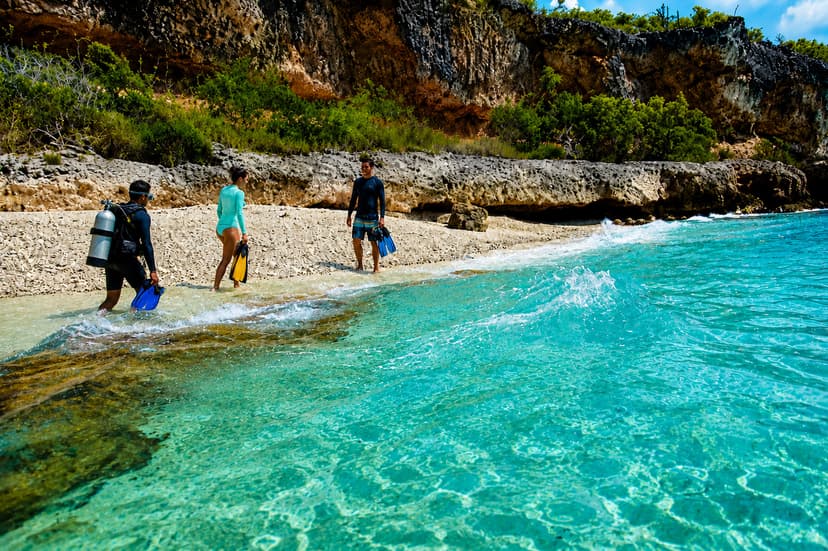
Diving
A trip to Bonaire isn't complete without a glimpse of the island's magnificent shallow reefs. As part of Bonaire National Marine Park, the island's entire coastline has been protected for more than 30 years, making Bonaire one of the Caribbean's best diving destinations. With 53 easily accessible diving spots and large yellow rocks marking dive sites along the roadside, Bonaire offers divers an abundance of underwater splendors to explore.
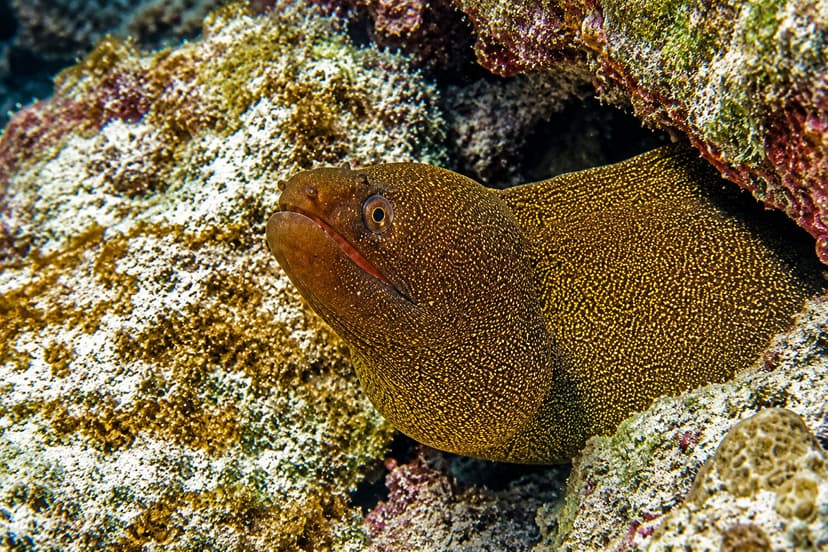
Bonaire National Marine Park
Bonaire National Marine Park is the island's star attraction, a unique and precious resource that allows divers and snorkelers to explore miles of pristine coral reef. The protected area covers the entire coast of the island, including Klein Bonaire, to a depth of 200ft (60m). Between the two islands, there are now more than 100 named dive sites, many of which are accessible from the shore.
Washington Slagbaai National Park
Bonaire's national park lies on 14,000 acres on the northwest side of the island and offers mountain biking, hiking, snorkeling and scuba diving amid beautiful scenery. The first nature sanctuary of the Netherlands Antilles, it is a safe habitat for endemic and endangered species like parrots, flamingos, parakeets, and iguanas. Its beaches are an important nesting ground for all four species of sea turtles found in the Caribbean.
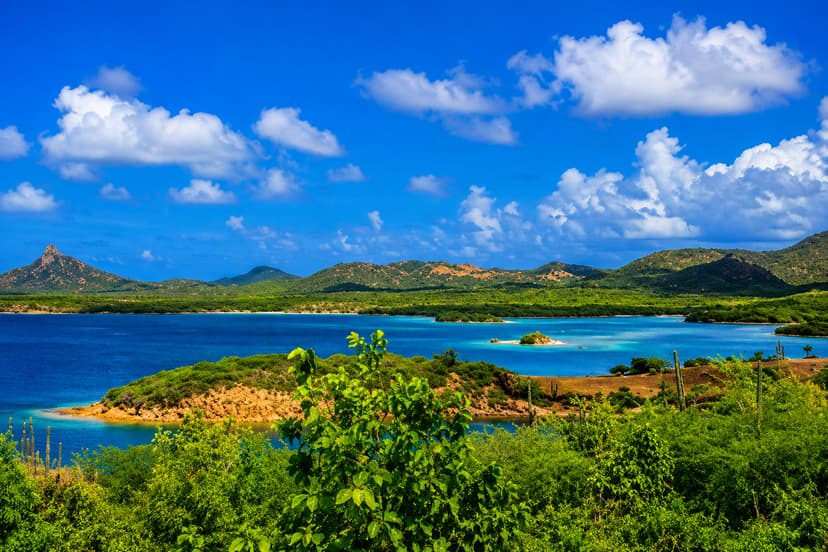
Gotomeer
At the edge of Washington-Slagbaai National Park, this large inland saltwater lagoon attracts flocks of flamingos, especially during nesting season (January to June). You can't get close to these shy feathered friends, but you can usually spot some from the observation area and even from the road. Take the paved road heading due west from Rincon for about 4km.
Spot Bonaire's Pink Flamingos
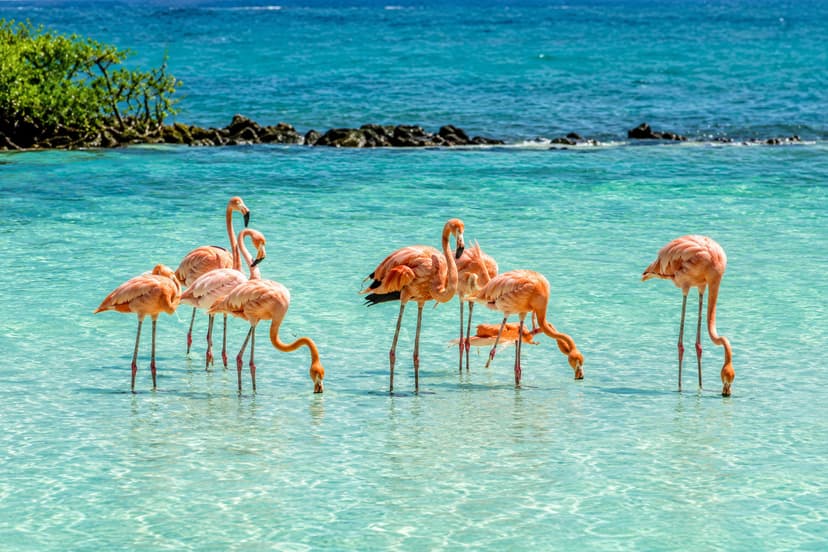
Bonairians love pink flamingos — even the island's airport is named after them. The birds get their vivid color from the beta-carotene in the brine shrimp and algae they feast on. The two best places to spot them are Goto Lake in the north and Pink Beach near the salt flats. Nesting areas are rigidly protected and off-limits, so stay in your vehicle — but with a little luck and a good pair of binoculars you'll see many.
Donkey Sanctuary
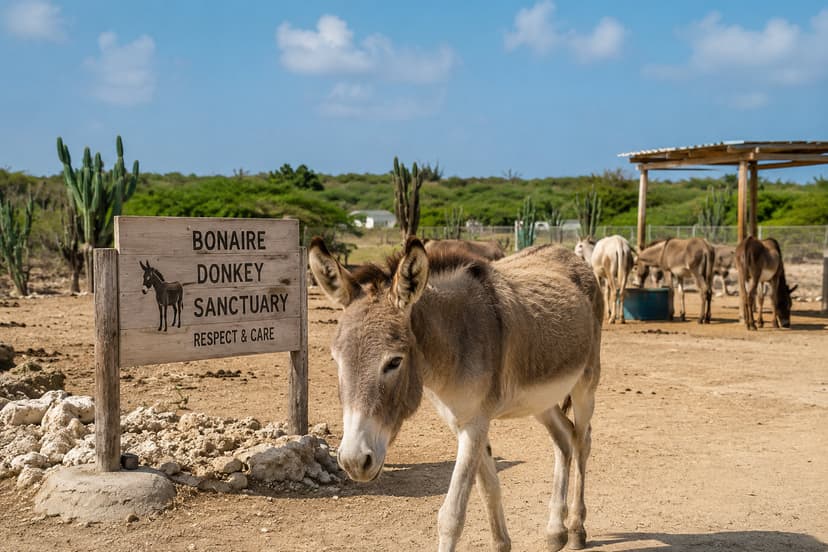
The Donkey Sanctuary Bonaire is home to over 700 donkeys and is one of the best things to do on the island. The property is huge, so the donkeys have plenty of room to roam free. As you drive through, they will gently ask for food and shove their faces in your car window, so be sure to buy a few bags of carrots at the front entrance to feed them.
Kiteboarding
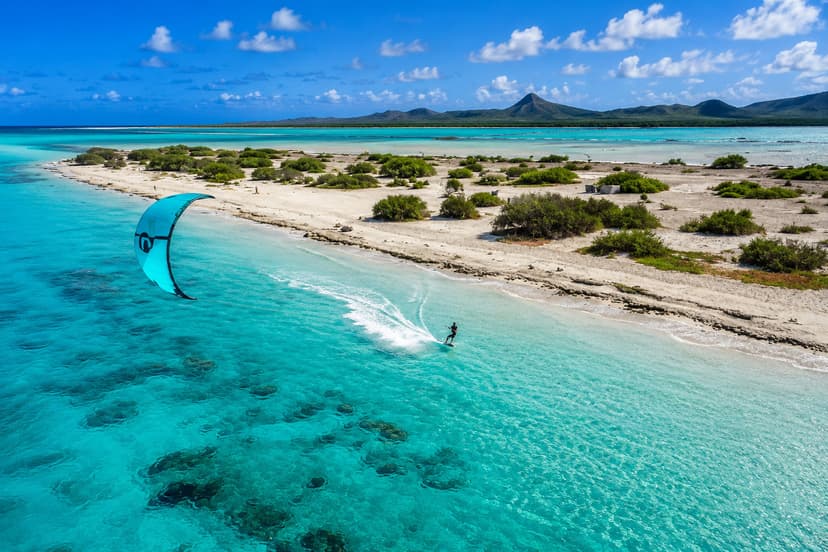
Bonaire's cool Caribbean trade winds provide the right environment for kiteboarding almost 365 days a year. The kiteboarding area is on the south-west tip of the island and can be found by following the brightly colored kites soaring through the air. Two schools — Kiteboarding Bonaire and the BonaireKiteSchool — offer lessons for newcomers. Don't forget to bring or purchase a Nature Tag.
Windsurfing
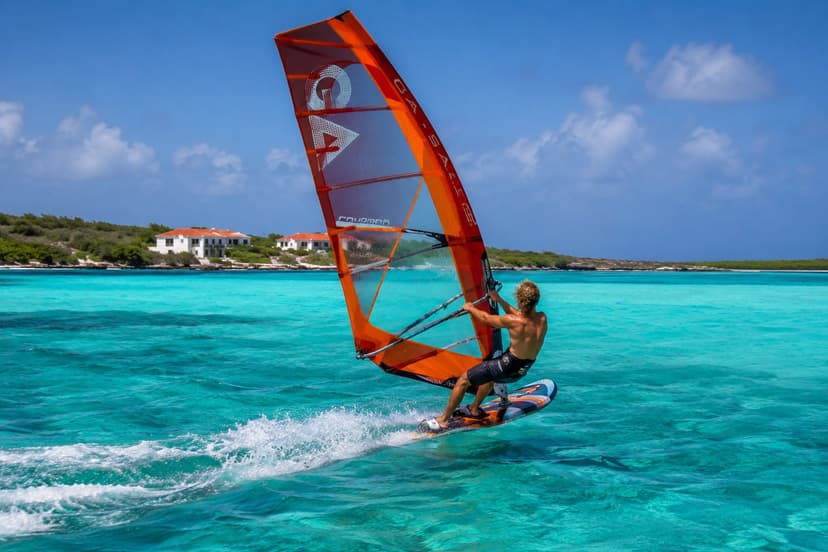
Sorobon, on the east side, offers a beautiful beach within a large protected bay. Its combination of continual winds, sunshine, and warm shallow waters make for the most idyllic windsurfing conditions, and Bonaire is recognized as one of the best places in the world to windsurf for novice through professional levels. The Windsurfing Professionals at Sorobon offer classes and clinics for children and adults.
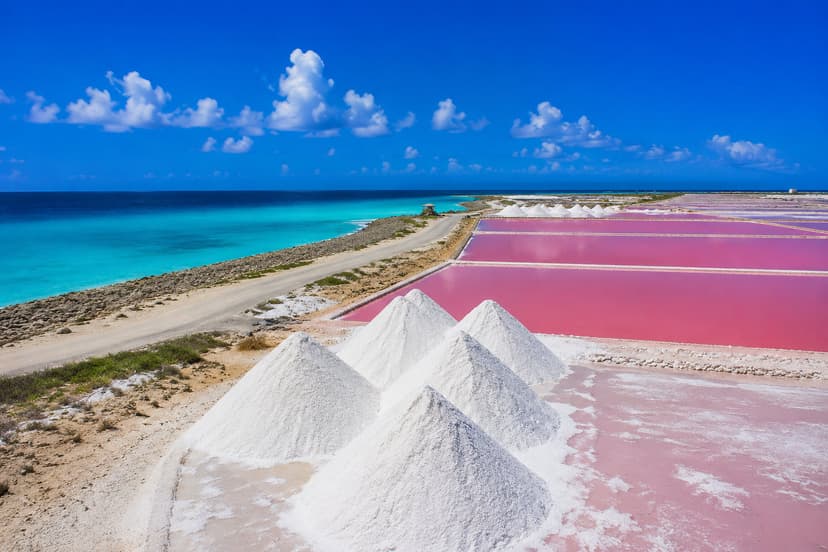
Salt Pyramids
For centuries, Bonaire has been the center of the Caribbean's salt industry. Saltwater is drawn into a series of evaporation ponds, and over 12 months the sun and wind evaporate the water, creating stunning pink-colored flats that cover about one-tenth of the island. Once washed, the pure salt crystals are stacked into 50-foot-tall pyramids to be processed and shipped around the world.
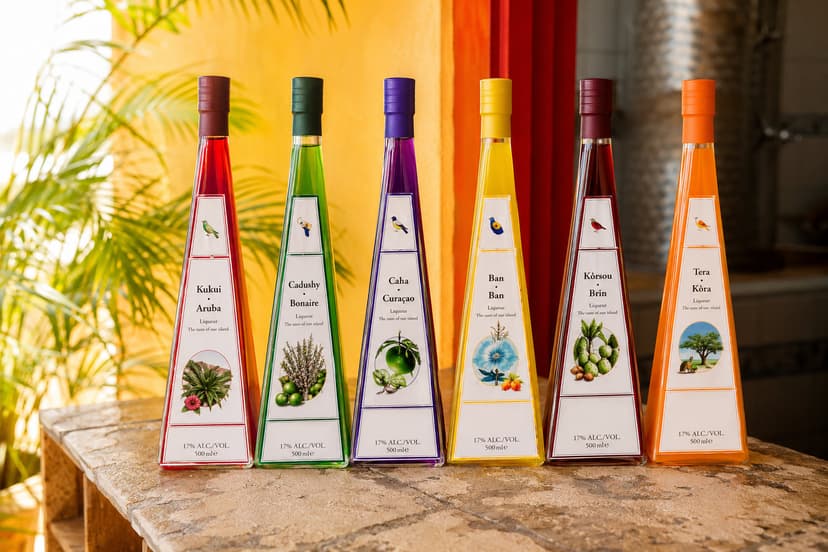
Sample the World's Only Cactus Liqueur
Capable of growing 10 meters over its 100-year lifespan, the cadushi cactus is one of Bonaire's most iconic natural resources. Locals use it in soups, but in recent years it has found new life as an alcoholic beverage. The Cadushy distillery is known for its cactus liqueur — the only one of its kind in the world. Made from cadushi, lime, and sorghum, the result is a bright green delight that works well in a sweet cocktail.
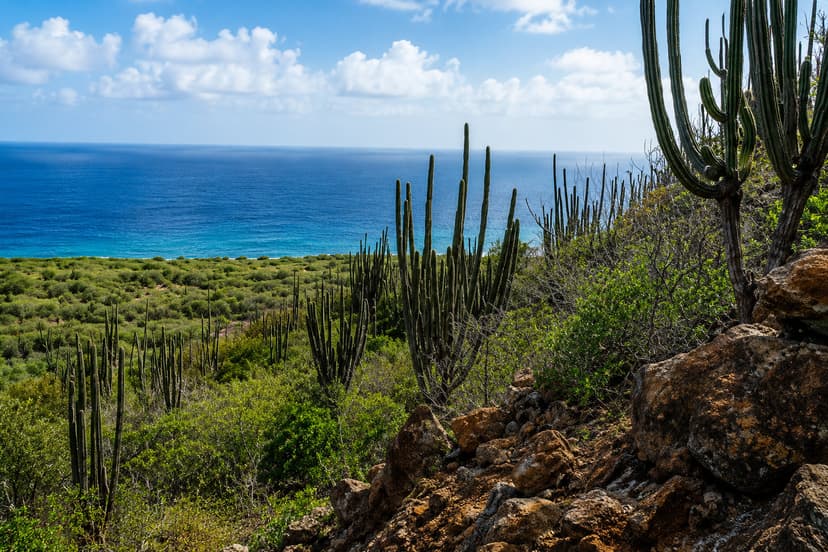
Take a Tour of Bonaire's Dry Forest
Bonaire is home to a variety of reptiles, amphibians, and birds, from small geckos to the island's endangered Yellow-shouldered Amazon parrots. A 30-minute drive from Kralendijk is Echo Conservation Centre, a non-profit working to grow Bonaire's parrot population. The team hosts guided tours every Wednesday at 4:30 p.m. through the dry forest — an essential experience for nature lovers.
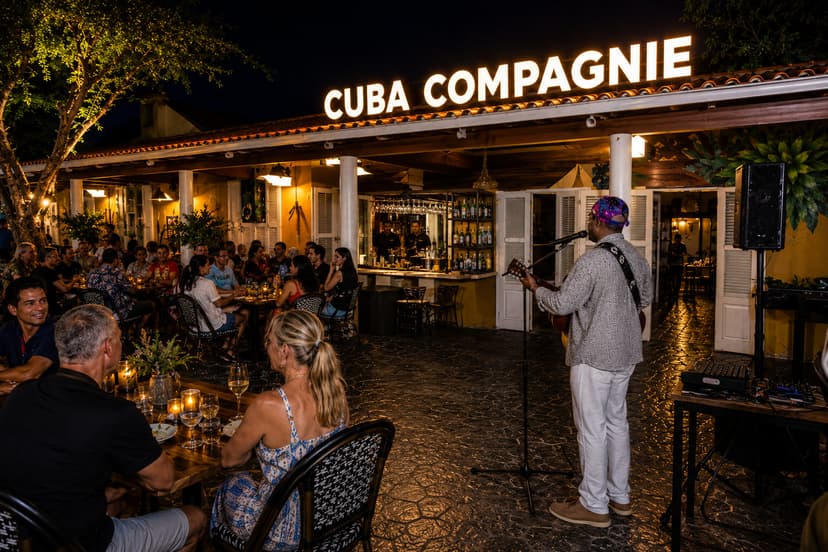
Cuba Compagnie
The capital's hottest spot is this sultry Cuban cafe, especially on Thursday night when salsa dancers strut their stuff. Any night of the week the place is packed with happy patrons sipping mojitos and feasting on fusion fare.
Little Havana
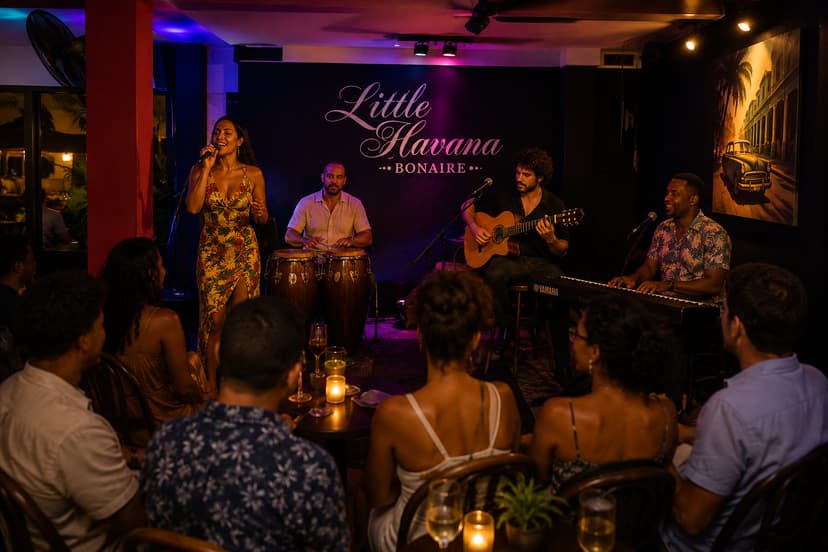
A classic cigar and music bar (the coolest in the Caribbean, it claims), this throwback guarantees a good time with live bands, trivia contests, and come-one, come-all jam sessions.
Slave Huts
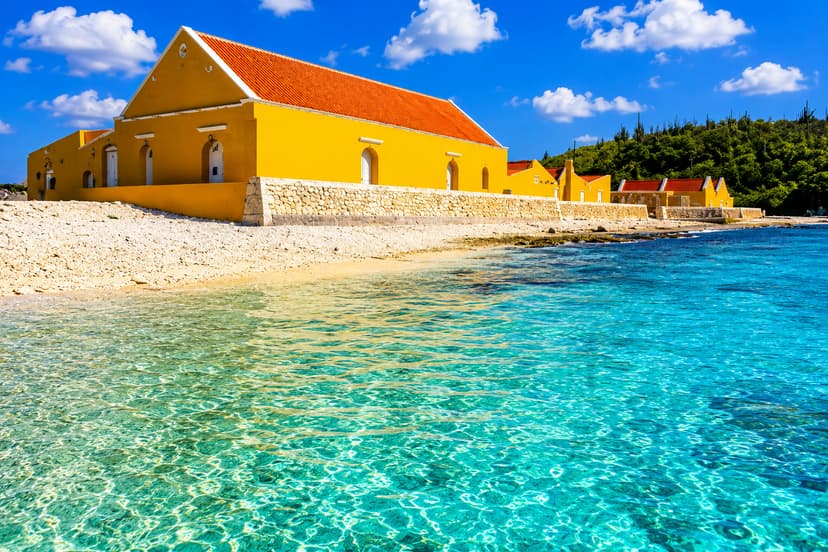
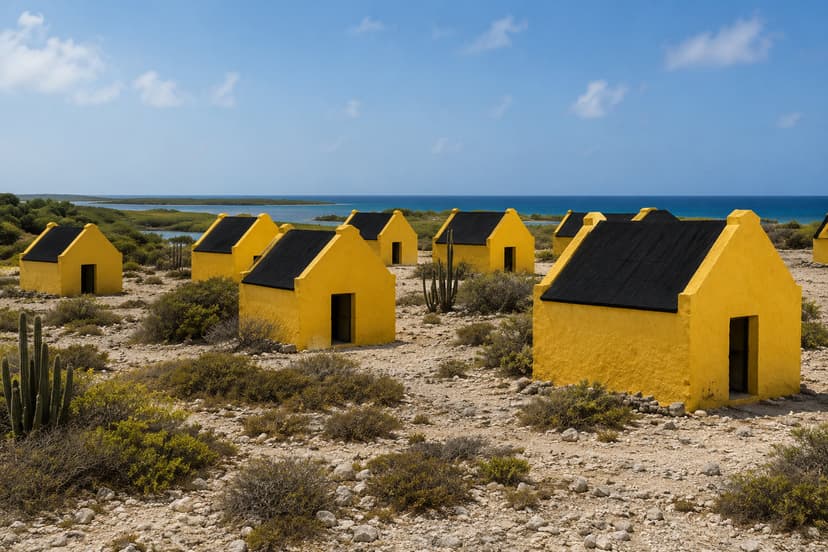
Along the coast you'll see the legacy of a vile chapter in Bonaire's past. The dwarf-size stone huts were built in the mid-19th century as residences for the enslaved people who worked in the salt mines. Their permanent homes were in Rincon, so every Friday they would hike 10 hours to the other end of the island to spend a day at home, returning Sunday to their arduous work.
All of this needs a car
These places are spread across Bonaire and public transport does not reach most of them. Book online and your car is waiting when you land.